


A proper vacation isn’t always realistic on a random weekend — flights, packing, time off work, and the cost of a multi-night stay all add friction that a lot of people simply don’t have the bandwidth for. ResortPass exists to solve a narrower, more achievable version of that same craving: a few hours at a genuinely nice pool, spa, or cabana, without booking a hotel room at all. Understanding how the platform actually works — and why hotels agree to let day visitors in — makes it much easier to use well, rather than just clicking the first listing that shows up.
What ResortPass Actually Is
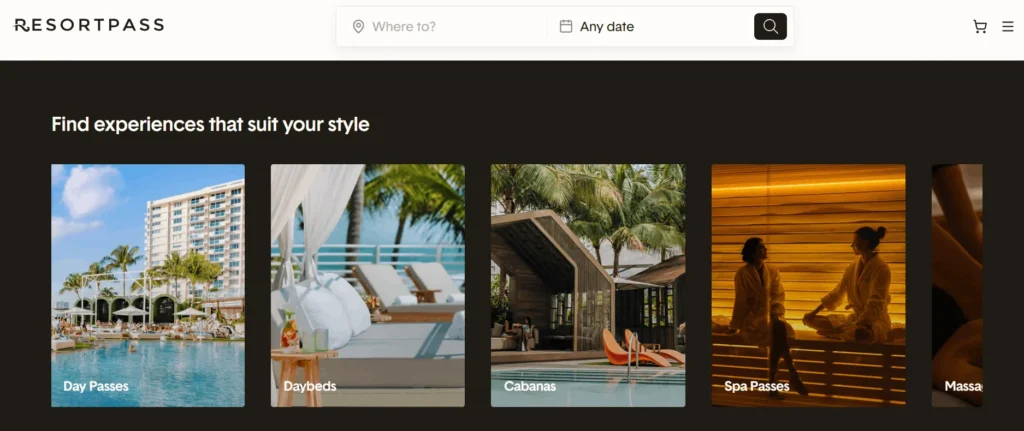
ResortPass is a booking platform, launched in 2016, that partners with hotels and resorts to sell day access to amenities that are normally reserved for overnight guests — pools, spas, cabanas, fitness centers, and in some cases restaurants or day-use rooms. The company doesn’t own any properties itself; it works more like a marketplace layered on top of hotels that already exist, connecting people who want a few hours of resort access with properties that have space to sell. That distinction matters because it explains the range you’ll see on the platform — everything from a boutique city hotel’s rooftop pool to a five-star resort’s full spa and grounds, all listed side by side with their own pricing and inclusions.
Why Hotels Actually Offer This in the First Place
It’s worth understanding the business logic behind day passes, because it explains both the pricing and the availability patterns you’ll run into. Hotels frequently have pools, spas, and lounge areas that go underused on weekdays or during slower seasons, and empty deck chairs generate zero revenue whether or not anyone’s using them. Selling day access lets a property monetize that unused capacity without giving up any overnight inventory, and ResortPass takes a commission only on the bookings it brings in, meaning hotels don’t pay anything upfront to participate. That’s also why availability fluctuates — a property might block out day passes entirely on a busy weekend when it wants pool space reserved for overnight guests, but open up plenty of slots on a quiet Tuesday. Checking a few different dates rather than fixating on one is often the difference between finding availability at your first-choice hotel and settling for a backup option.
How Booking Actually Works
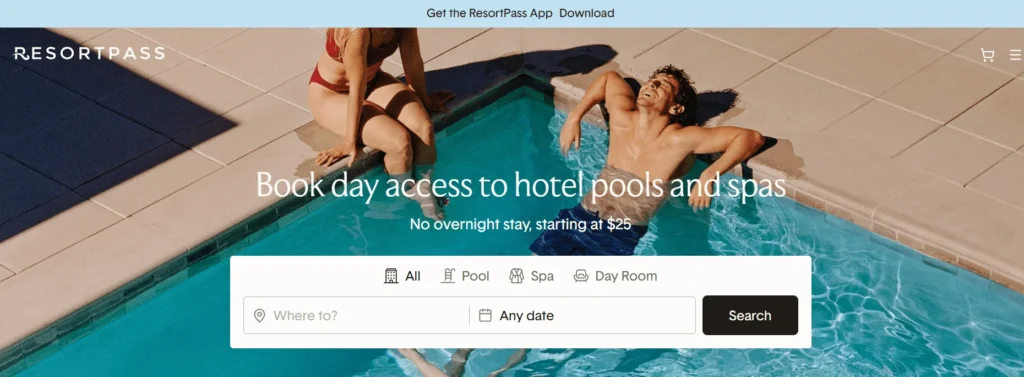
The process itself is fairly simple end to end. You search by city or hotel name on the website or app, filter by date, and browse listings that show exactly what’s included — pool access, spa facilities, food and beverage credits, cabana rentals, or fitness center use, depending on the property. Prices vary a lot, generally landing somewhere between the price of a nice dinner out and a few hundred dollars, depending on the hotel’s tier, the day of the week, and what’s bundled into the pass. There’s no membership or subscription fee attached to any of this — you simply pay for the specific day pass you book, which is worth knowing if you’ve seen the word “pass” and assumed there was a recurring cost involved. Once you check out, you get a confirmation with a booking reference that you show at the property to check in, the same way you’d check into a room, just without the room.
Choosing the Right Property for What You Actually Want
Not every hotel on the platform is offering the same experience, so it’s worth being specific about what you’re actually looking for before you book. A quiet weekday recharge calls for something different than a group outing — reading through what a listing actually includes, rather than just the headline price, avoids the disappointment of showing up expecting a full spa day and finding the pass only covers pool access. Location is worth weighing against price too; a property that’s a 20-minute drive away often costs less and feels just as much like an escape as one across town, so it’s rarely necessary to pay a premium for proximity alone. Recent guest reviews are genuinely useful here, since they tend to flag things a listing photo won’t — how crowded the pool actually gets on weekends, whether the loungers run out early, or whether the spa facilities live up to the property’s overall reputation.
Getting the Most Out of the Day
A few small habits make a real difference once you’ve booked. Arriving close to opening time generally means better pick of loungers and a calmer atmosphere before the property fills up later in the day, which matters more at popular pools than the booking page will tell you upfront. It’s worth packing as if you were staying overnight even though you’re not — sunscreen, a swimsuit, a cover-up, and a change of clothes cover most of what you’d actually need, and a few snacks or a refillable water bottle are a reasonable hedge if the property’s food and drink options run pricier than you’d like to pay for a casual day out. Checking whether the property has anything scheduled that day — a fitness class, live music, or a themed event — can turn a simple pool day into something a bit more memorable, and that information is often buried lower in the listing rather than featured prominently.
Who Actually Gets the Most Out of This
ResortPass tends to suit a few groups particularly well: people who want an occasional “reset” day without the planning and expense of a real trip, groups or families looking for a special outing that doesn’t require an overnight stay, and travelers passing through a city who want a few hours of resort-quality relaxation without committing to a hotel stay there. It’s less suited to anyone expecting a genuinely private, uncrowded experience every time, since a day pass is, by definition, sharing amenities with other day guests and overnight guests alike — checking a listing’s stated capacity and reading recent reviews is the best way to gauge how crowded a specific property tends to get.
Final Thoughts
ResortPass works because it solves a real inefficiency — hotels with unused pool and spa capacity, and people who want a taste of that experience without paying for a room they don’t need. Getting the most out of it comes down to treating it less like a spontaneous impulse purchase and more like a small trip worth actually planning: comparing a few properties rather than booking the first one you see, checking what’s genuinely included in the price, and picking a date and time that lines up with how busy you’d like the day to be.