

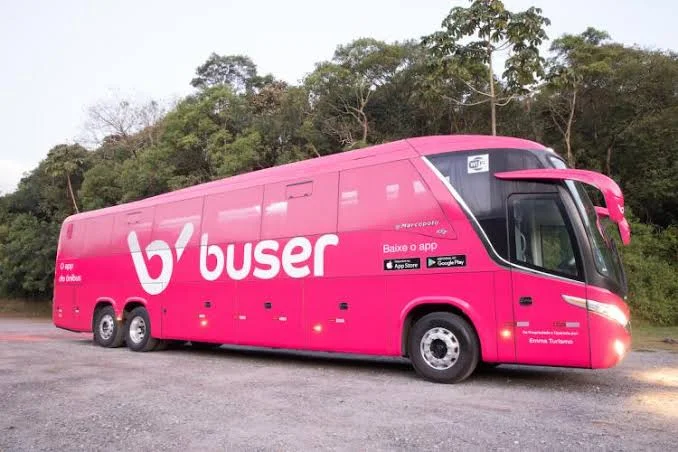
Buser is a Brazilian platform that helps people travel between cities by bus at lower prices than many traditional coach companies. It works mainly through a collaborative charter system (fretamento) and also sells tickets from partner bus companies. This guide explains how it works, how to book smartly, what to expect on the day of travel, and practical tips so first-time and regular users can get the most out of the service.
Understanding How Buser Works
Buser does not own a large fleet of buses. Instead, it connects passengers who want to travel the same route on the same day with licensed charter companies. When enough people book a specific departure, Buser charters the bus and the cost is shared among the passengers. This model is why prices are often significantly lower (sometimes up to 60% cheaper) than standard bus station tickets.
There is also a marketplace side where Buser sells tickets from traditional bus companies (revenda rodoviária). In those cases the trip follows the normal rules of the operating company.
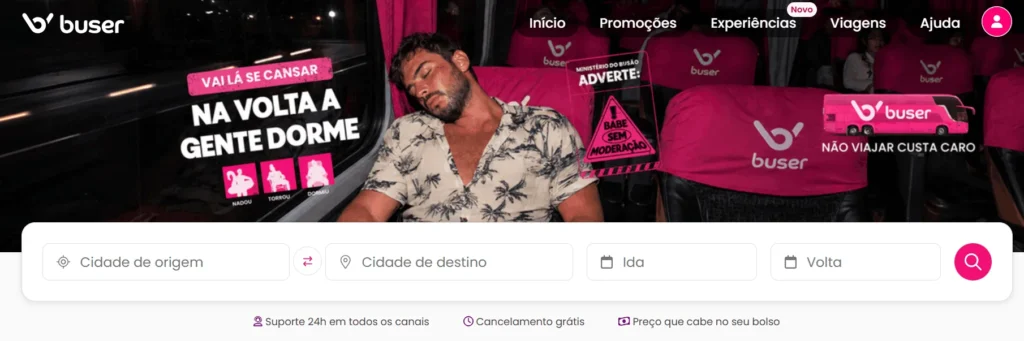
Most of the experience is managed through the Buser app or website: searching routes, paying, receiving boarding details, tracking the bus, and handling changes or cancellations.
Main Advantages of Traveling with Buser
- Lower prices compared with many conventional bus tickets
- Convenient boarding points outside busy central bus stations (often near shopping centers or easier-to-reach locations)
- Ability to manage everything in the app, including free cancellation or changes up to one hour before departure in many cases
- Real-time monitoring of trips and 24-hour support
- Comfortable buses on many routes (executive, semi-leito or leito seats depending on the service)
- Coverage across a large number of Brazilian cities, with strong presence in São Paulo, Rio de Janeiro, Minas Gerais, and other states
How to Search and Book a Trip
- Open the Buser app or website and enter your departure city, destination, and travel dates.
- Review the available options. You can usually sort by price, departure time, or duration and filter by seat type or boarding point.
- Check the exact boarding and drop-off locations (these are important because they are often not at the main bus station).
- Select the trip and add all passengers, including children.
- Complete payment (common options include Pix, credit card, and others).
- Wait for confirmation. For fretamento trips the departure is confirmed once the minimum number of passengers is reached. If it is not confirmed you normally receive a full refund.
Book earlier when possible. More departure times and better prices are usually available further in advance. Last-minute searches can still work but options may be limited.
Getting Better Prices and Deals
- Check the promotions section regularly — discounted departures appear and disappear based on demand.
- Be flexible with departure times and dates when you can.
- Look at both outbound and return legs separately; the best combination is not always a single package.
- Watch for referral credits, first-trip discounts, or loyalty benefits.
- Compare the fretamento options with any marketplace (traditional company) tickets shown on the platform.
Prices can drop as more seats are filled on a charter, and any difference is often credited to your Buser account for future use.
What Happens on the Day of Travel
You will receive the final boarding details in the app (exact point, time, bus information). Arrive a bit early. Boarding points are usually outside traditional rodoviárias, which can make access easier but means you need to know the precise location.
Bring a valid photo ID (RG, CNH, passport, or other accepted document). For some marketplace tickets you may also need to show or collect the physical/digital ticket according to the instructions in your reservation.
Once on board, the trip is similar to a regular intercity bus: air-conditioning, reclining seats on most services, and stops for meals or rest on longer routes. Luggage goes in the hold; keep valuables and essentials with you.
Seat Types and Comfort
Depending on the route and operator you may find:
- Conventional seats
- Executive
- Semi-leito (greater recline)
- Leito or premium options with more space and features
Longer routes benefit from the more comfortable categories if the price difference is reasonable. Reading recent passenger comments about a specific departure can help set expectations.
Safety and Practical Precautions
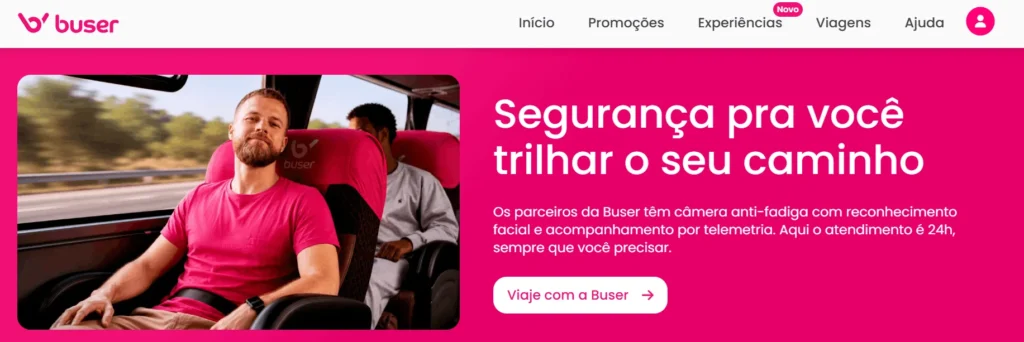
Buser works with regulated partner companies and uses monitoring systems (GPS/telemetry, and on many buses fatigue detection for drivers). Still, normal travel common sense applies:
- Verify the boarding details in the app before leaving for the meeting point.
- Keep an eye on your belongings, especially at stops.
- Use a lock on luggage placed in the hold.
- Share your trip details with someone if you are traveling alone.
- Stay aware of your surroundings at boarding and arrival points.
Support is available 24 hours through the app or official channels if something goes wrong.
Using Buser in Different Regions
Coverage is strongest in the Southeast (São Paulo, Rio de Janeiro, Minas Gerais) and has expanded to many other states. Popular routes include São Paulo–Rio, connections through Belo Horizonte, Campinas, and destinations further afield. The exact boarding points and bus standards can vary by city and partner, so always check the details for your specific trip.
Cancellation, Changes, and Support
One of the practical advantages is relatively flexible cancellation or rescheduling (often free up to one hour before departure for fretamento trips — confirm the exact rule on your reservation). If a trip is not confirmed by Buser you should receive a full refund. Keep the app updated and check notifications so you do not miss any changes to boarding time or location.
Tips for a Smoother Journey
- Download the boarding information and have your ID ready.
- Arrive at the meeting point with extra time, especially if it is your first time using that location.
- Bring water, snacks, a power bank, and entertainment for longer trips.
- Note the return boarding point if you have a round trip.
- Read the specific instructions in your reservation — fretamento and marketplace tickets have slightly different procedures.
Final Thoughts
Buser works well for travelers who want lower intercity bus fares in Brazil and are comfortable with app-based booking and boarding points outside traditional stations. The combination of competitive prices, flexible cancellation on many trips, and the ability to manage everything digitally makes it a strong option for both occasional and frequent travelers.
As with any transport platform, results depend on the specific route, partner company, and how early you book. Check recent feedback for your chosen departure, confirm boarding details the day before, and keep the usual travel precautions in mind. Used this way, Buser can make traveling between Brazilian cities simpler and more affordable.