
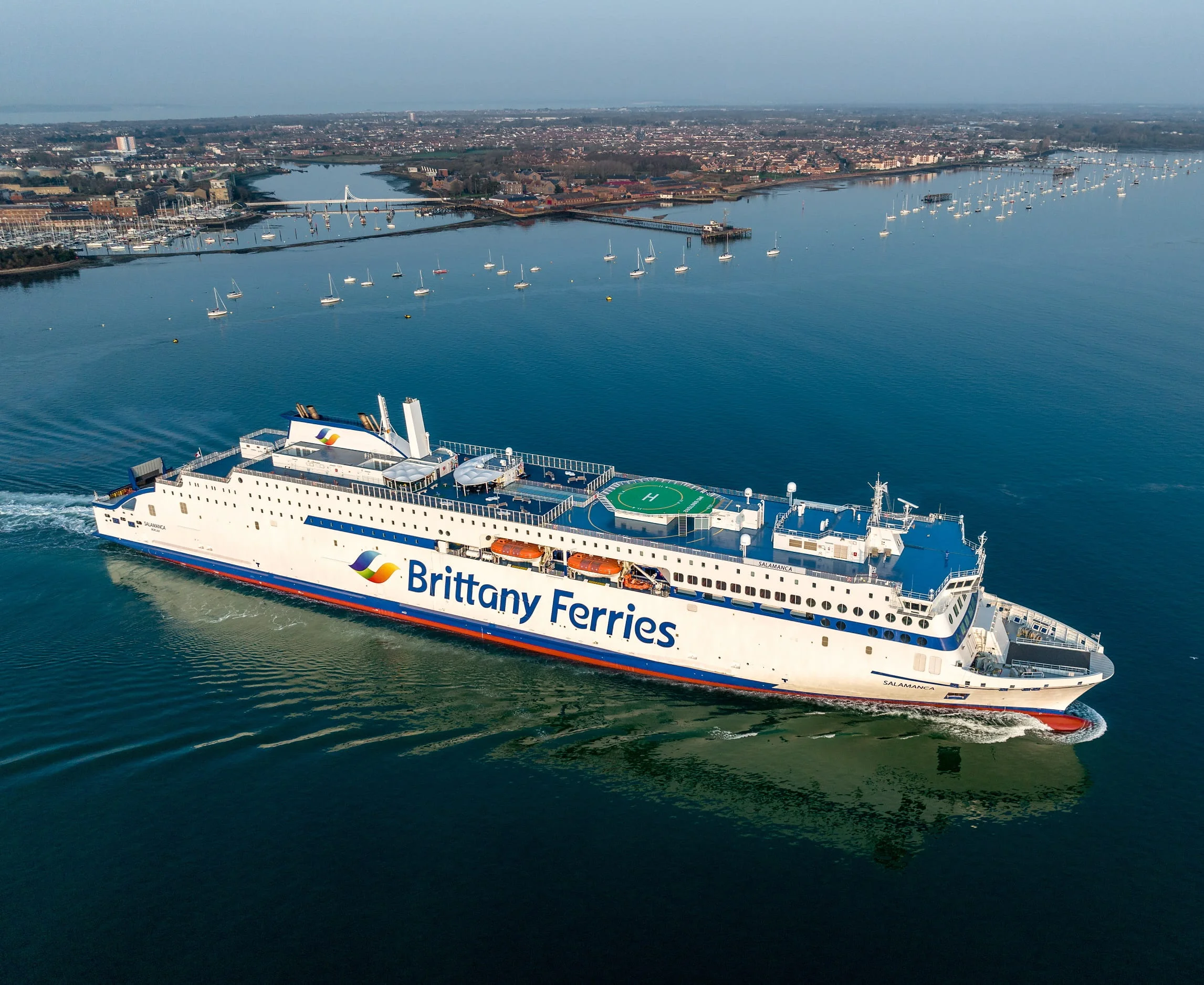
Crossing the Channel or Bay of Biscay with Brittany Ferries is a different experience from flying. You gain space, the chance to take your car, and a more leisurely journey that often becomes part of the holiday itself. This guide walks first-time passengers through the key steps so everything feels clear and manageable.
Why a Ferry Crossing Feels Different
Unlike air travel, the ferry journey itself offers room to move around, sit on deck, and enjoy meals without the tight constraints of an aircraft cabin. You can bring more luggage and travel with a vehicle, which is useful if you plan to explore once you arrive. Routes connect UK ports such as Portsmouth, Plymouth and Poole with destinations in Normandy, Brittany and northern Spain. Crossing times range from a few hours on shorter day sailings to overnight or longer trips lasting 10–24 hours depending on the destination.
The onboard atmosphere leans toward French hospitality, with restaurants serving regional-style food rather than standard ferry fare. Larger ships provide a wider range of facilities, while smaller vessels keep things simpler but still comfortable.
Getting Your Booking Right
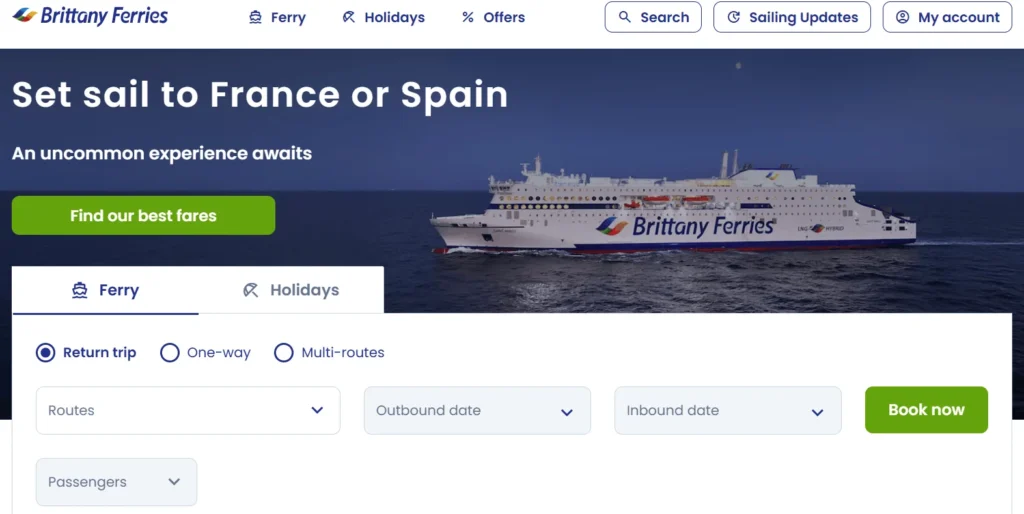
Book through the official Brittany Ferries website for the fullest choice of cabins and extras. Prices change according to season, day of the week and how early you reserve. Mid-week sailings are frequently cheaper, and booking several months ahead improves the chance of securing preferred cabin types.
When you book you can add accommodation, meal packages, pet travel options and flexible tickets. After confirmation you receive a reference number, sailing times (shown in local port time) and the name of the ship. Keep this information easy to access on the day of travel.
What Documents You Need
Every passenger must carry a valid passport. Check remaining validity rules for France or Spain and any additional entry requirements that apply to your nationality. If you are taking a vehicle, bring the registration document, proof of insurance that covers the destination country, and any mandatory safety items such as a warning triangle and high-visibility vests.
Passengers who need assistance because of reduced mobility should inform the company at least 48 hours before departure, ideally at the time of booking.
Arriving at the Port and Checking In
Check-in closing times are firm. Most vehicle and foot passengers should arrive at least 45 minutes before departure. Allow 60 minutes if you need special assistance and 90 minutes if travelling with a pet. Groups may be asked to arrive even earlier. Always follow the exact times printed on your ticket, especially during busy periods.
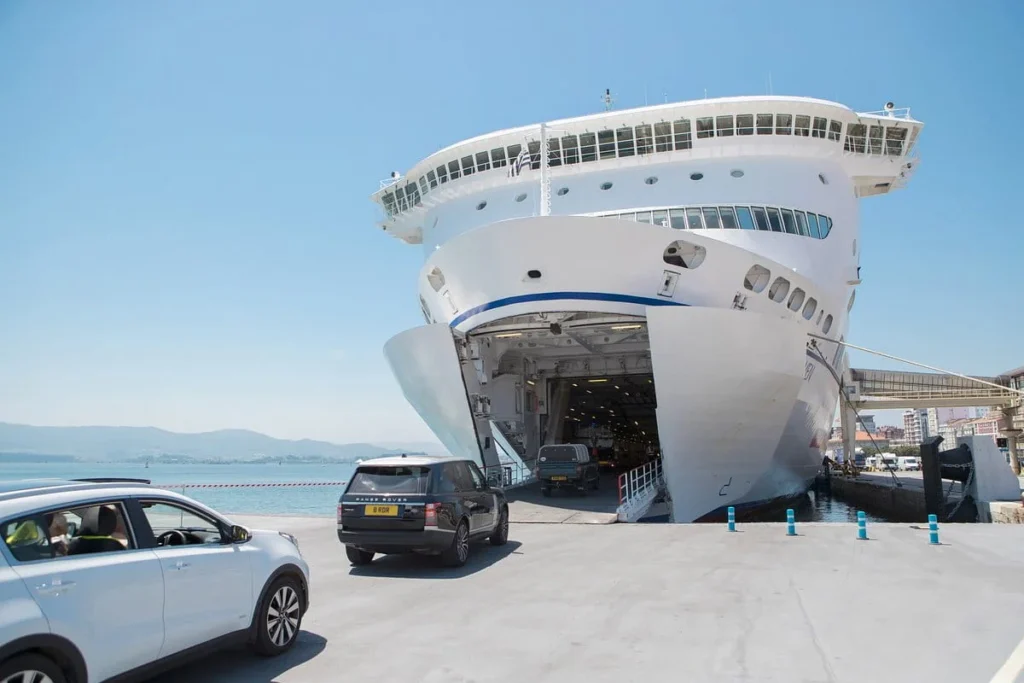
Vehicle passengers check in at the booths, present documents and join the embarkation lanes. Once on the car deck, note the deck and door numbers near your parking space. Take everything you will need for the crossing with you — access to the vehicle deck is not permitted while at sea.
Foot passengers go to the terminal building, show passports and booking details, and receive a boarding card. This card also acts as a cabin key if you have reserved one and often includes the Wi-Fi code. Keep luggage to what you can carry comfortably. Boarding methods vary by port and may involve a short bus transfer, walkway or stairs.
Sleeping On Board: Cabins Explained
Cabins transform longer or overnight sailings. All are en-suite and air-conditioned, with bedding, towels and toiletries supplied.
Options typically include:
- Standard inside or outside cabins
- Club-style cabins with extra touches such as tea and coffee facilities
- Commodore cabins that offer more space, better amenities and sometimes a small terrace
- Accessible cabins for reduced mobility
- Limited pet-friendly cabins on certain ships
For overnight crossings a cabin is strongly recommended. On day sailings a reserved seat can be sufficient if you do not need to rest. Families often prefer multi-berth cabins so everyone stays together. Mid-ship locations on middle decks generally feel the least motion. Book early, as popular cabin types sell out quickly on busy routes.
What to Pack for the Crossing
Prepare a small bag with items you will need during the voyage. Leave bulkier luggage in the car or in the designated luggage area.
Useful contents include:
- Travel documents and boarding information
- Layered clothing and a light jacket for deck time
- Phone chargers and a power bank
- Downloaded entertainment (films, books or podcasts)
- Any regular medication and basic motion-sickness remedies
- A few familiar snacks
Cabins already provide towels and soap. Passengers without cabins can use public showers and purchase sleep packs on board.
Eating and Drinking During the Voyage
Dining is one of the stronger points of the Brittany Ferries experience. Most ships offer a mix of table-service restaurants with French-inspired dishes, self-service or counter options, cafés for lighter meals, and bars. Breakfast, lunch and dinner are usually available according to the length of the sailing. Children’s menus are common.
Pre-paid food packages can improve value if you expect to eat several times. Special dietary needs are best mentioned when ordering or at the time of booking. Peak meal times can be busy, so slightly earlier or later seating often means shorter waits.
Things to Do While at Sea
Facilities depend on the ship, but larger vessels commonly provide cinemas, children’s play areas, seasonal activity programmes, games rooms, live entertainment in the bars, shops and outdoor decks. Some ships also feature seasonal pools or wellness treatment rooms.
Lounges and quiet seating areas are available for those who prefer to relax. Free limited Wi-Fi is usually offered, with paid upgrades for higher speeds. Ship plans are displayed on each deck, and the information desk can answer questions or sell cinema tickets.
Making the Trip Comfortable
A few simple habits improve the experience. Choose a cabin for any sailing where sleep matters. Arrive at the port with time to spare so the process stays relaxed. Keep a small bag of essentials with you. Walking around the ship and spending time on deck often helps if you are sensitive to motion. Note that clocks on board generally run on UK time. Leave your cabin about half an hour before arrival and take all belongings with you.
Special Considerations
Families benefit from play areas, children’s menus and activity programmes. A private cabin gives everyone a base.
Pets can travel in pet-friendly cabins (limited numbers), onboard kennels or in the vehicle, depending on the ship and route. Foot passengers are generally not allowed to bring pets. Check-in is earlier and correct documentation is required.
Passengers with reduced mobility should notify the company in advance so accessible cabins and boarding assistance can be arranged.
When You Arrive
Announcements will indicate when vehicle passengers may return to the car deck and when foot passengers can leave the ship. Have passports ready for border formalities. Allow extra time for immigration and for locating your vehicle if you are driving. Once clear of the port you can continue your journey.
Final Advice for First-Timers
The process becomes straightforward once you understand the check-in timing, cabin choices and what to expect on board. Prepare your documents, pack a small day bag, allow enough time at the port, and the crossing itself can feel like a relaxed start to the holiday rather than pure transport.
Always double-check the latest details for your specific sailing and ship on the official Brittany Ferries website before you travel, as facilities and procedures can vary.