

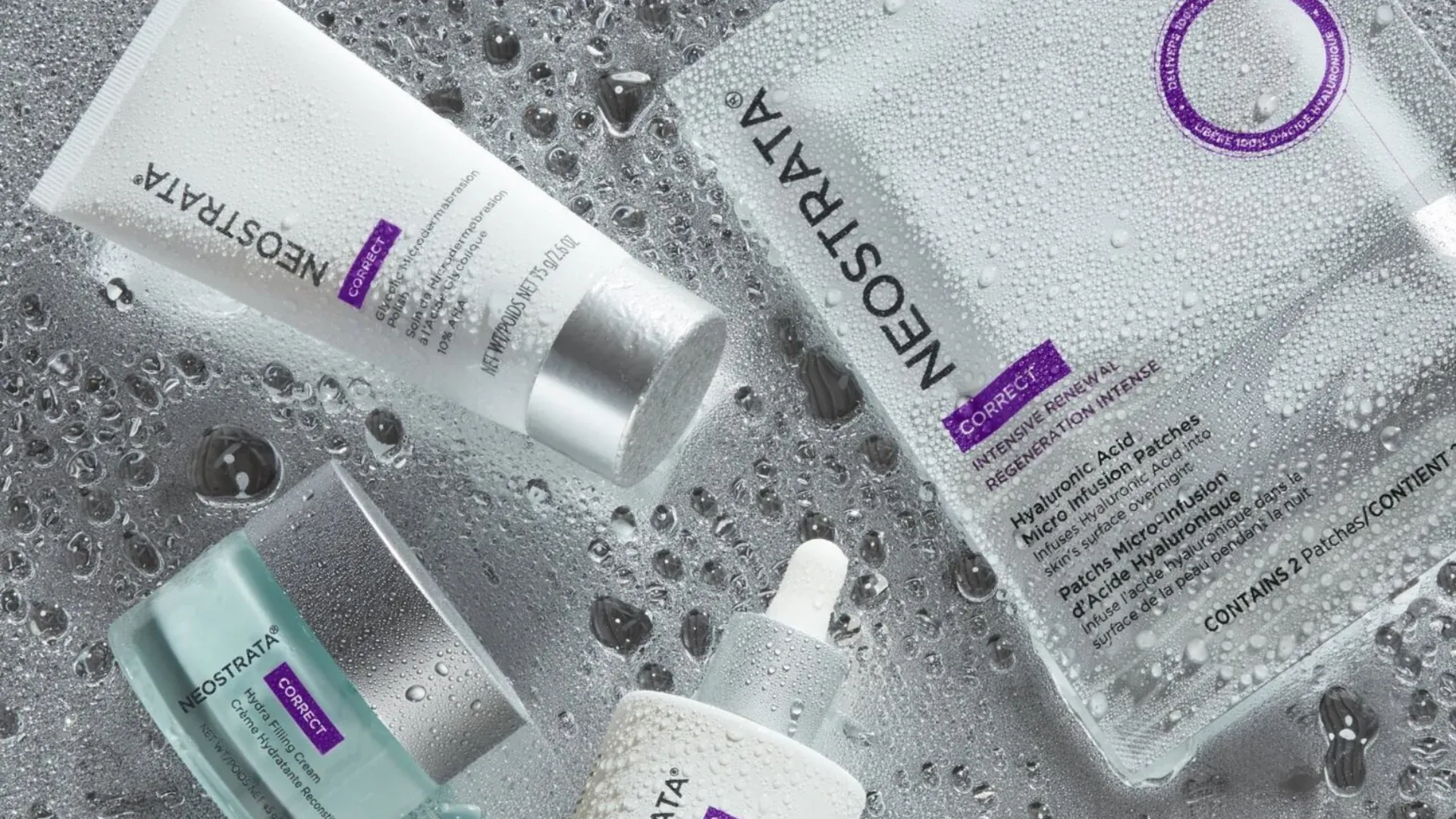
Most skincare brands lean on vague language — “radiant,” “rejuvenating,” “cutting-edge” — that tells you almost nothing about what’s actually happening on your skin. NeoStrata is one of the few brands where that language is arguably beside the point, because the company’s real story is a genuine scientific one: two dermatology researchers who patented an entire category of skincare ingredient decades before it became an industry standard. Understanding that history, and the actual chemistry behind it, makes it much easier to judge whether the products are worth using than any amount of marketing copy would.
Where NeoStrata Actually Came From
NeoStrata was founded in 1988 by Dr. Eugene Van Scott, a dermatologist, and Dr. Ruey Yu, a dermatopharmacologist, who had spent years researching alpha hydroxy acids together before building a company around their discoveries. This wasn’t a cosmetics company that later hired scientists for credibility — the brand exists specifically because these two researchers identified a genuine gap between what dermatology understood about skin renewal and what was actually available on store shelves at the time.
Their research led to more than a hundred patents over the following decades, and their work on hydroxy acids has been recognized with awards from bodies like the American Academy of Dermatology. The company was eventually acquired by Johnson & Johnson in 2016, but the underlying formulations and research legacy are what still define the brand’s product line today, rather than a generic acquisition-driven relaunch.
What AHAs and PHAs Actually Do
To judge any of NeoStrata’s products, it helps to understand what these acids are actually doing to your skin, rather than treating “exfoliating acid” as one interchangeable category. Alpha hydroxy acids, or AHAs — glycolic and lactic acid are the most common examples — work by loosening the bonds between dead skin cells on the surface, which speeds up how quickly your skin sheds that outer layer and reveals newer skin underneath. This is genuinely effective for smoothing texture and fading superficial discoloration, but AHA molecules are small enough to penetrate skin quickly, which is part of why they can cause noticeable irritation, redness, or increased sun sensitivity, especially at higher concentrations or for people with sensitive skin.
Polyhydroxy acids, or PHAs, were actually developed and patented by NeoStrata’s own founders as a gentler alternative to AHAs, and gluconolactone remains one of the signature ingredients tied to the brand specifically because of that history. PHA molecules are physically larger than AHA molecules, which means they penetrate the skin more slowly and stay closer to the surface, delivering a similar smoothing and renewal effect with meaningfully less irritation. That’s a genuine mechanism-level difference, not just a marketing distinction — it’s why PHA-based products are generally recommended as the entry point for anyone with rosacea, eczema-prone skin, or a history of reacting badly to stronger acids.
Matching a Product to What Your Skin Actually Needs
Because NeoStrata’s whole catalog is built around acid concentration and skin tolerance, choosing well starts with being honest about how your skin actually reacts to active ingredients, not just what concern you’re trying to address. If you’ve never used an exfoliating acid before, or if your skin tends to react to new products with redness or stinging, starting with a PHA-based formula rather than jumping straight to a higher-strength AHA product gives your skin a chance to build tolerance without a rough introduction. From there, moving toward stronger AHA concentrations is a reasonable next step only once your skin has shown it tolerates the gentler version well over several weeks.
If your primary concern is texture, mild discoloration, or general dullness rather than deeper wrinkles, a moderate AHA or PHA product used consistently will typically outperform an occasional high-strength treatment, since consistent low-grade exfoliation tends to produce more even results than sporadic intense use. For more targeted concerns — sun damage, deeper fine lines — checking which specific patented ingredient a product is built around, and what concentration it’s formulated at, is worth doing before assuming any two “anti-aging serums” from the brand are interchangeable.
Building These Products Into an Actual Routine
Introducing any hydroxy acid, whether from NeoStrata or another brand, works best gradually rather than all at once. Starting with a lower frequency — every other night, for instance — and increasing it only once your skin has clearly tolerated that pace for a couple of weeks avoids the common mistake of over-exfoliating, which can leave skin more irritated and sensitive rather than smoother. Patch-testing a new product on a small area before applying it to your whole face is a simple habit that catches a bad reaction before it becomes a bigger one.
Sun protection isn’t optional alongside these products — it’s a requirement. Both AHAs and PHAs increase how sensitive skin is to UV exposure while you’re using them, so applying a broad-spectrum sunscreen every morning isn’t a nice-to-have addition to the routine, it’s what prevents the exfoliation benefits from being undone by new sun damage. It’s also worth avoiding stacking multiple strong actives at once — combining a hydroxy acid with retinol or a strong vitamin C product in the same routine, without easing into it, is one of the more common ways people end up with irritation that gets blamed on the brand rather than the routine itself.
Weighing the Research Pedigree Against the Price
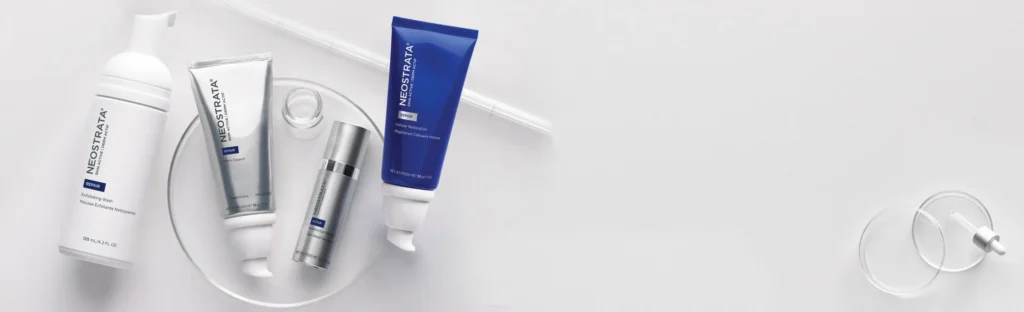
NeoStrata products generally sit in the mid-to-premium price range for skincare, and it’s fair to ask whether the research history translates into an actual difference you’d notice versus a cheaper AHA or PHA product from another brand. The honest answer is that the underlying chemistry of glycolic acid or gluconolactone isn’t exclusive to NeoStrata — other brands use similar ingredients at similar concentrations. Where NeoStrata’s pedigree matters more is in formulation consistency and the depth of clinical research behind specific combinations and concentrations, which can matter for people managing genuinely difficult skin conditions under a dermatologist’s guidance, but matters less for someone using a basic exfoliating product as part of a simple routine.
Final Thoughts
NeoStrata’s real differentiator isn’t marketing language, it’s a genuine research history that produced entire categories of skincare ingredient still used across the industry today, PHAs among them. That history makes the brand a legitimate option, particularly for anyone with sensitive skin who wants a gentler entry point into acid exfoliation. The products still require the same care any active ingredient does — starting slow, patch-testing, and treating daily sunscreen as non-negotiable — so the pedigree behind the formula is worth less than the discipline of actually using it correctly.