

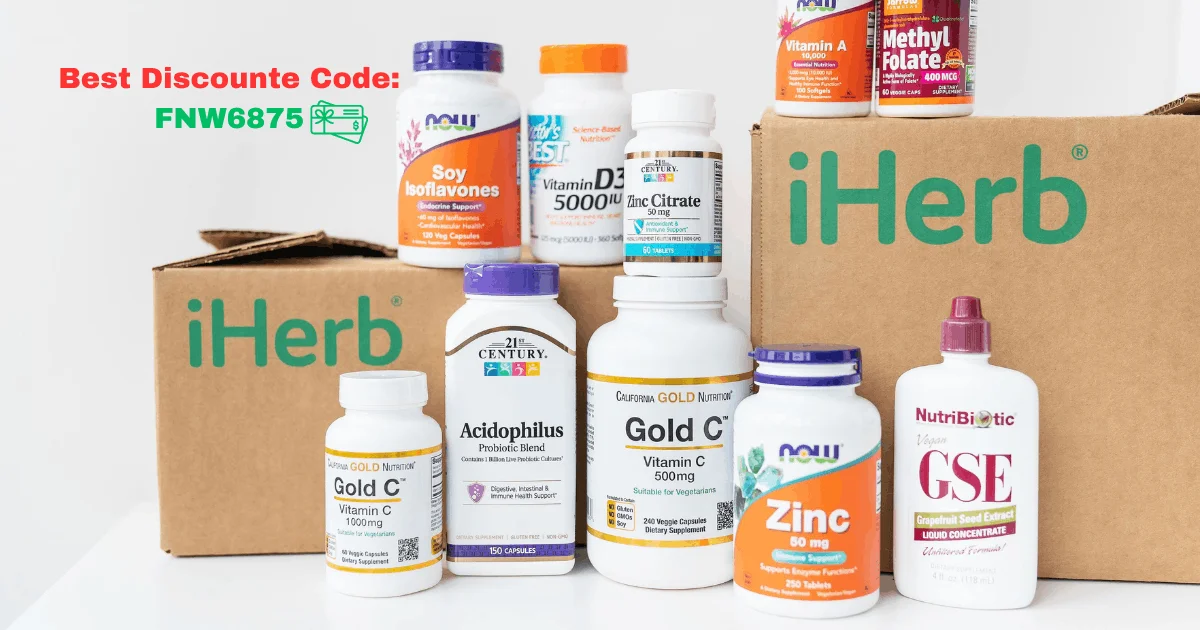
Supplements are one of the few product categories where “trustworthy” is genuinely hard to judge from a product page alone — the ingredient list looks the same whether the formula is well-made or barely regulated. Two bottles can sit side by side with nearly identical labels and still differ enormously in purity, potency, and whether the capsule actually contains what it claims.
iHerb has built a large business around exactly that problem, positioning itself as a curated, international marketplace for health and wellness products. Understanding what the platform actually does — and doesn’t — control is what makes it possible to shop it well instead of just trusting the marketing at face value.
What iHerb Actually Is
iHerb is a global online retailer founded in 1996, originally out of Pasadena, California, and now headquartered in Irvine. It carries an enormous catalog — tens of thousands of products from close to two thousand brands, spanning vitamins, supplements, sports nutrition, beauty, grocery, baby, and pet care items — and ships to well over a hundred countries from its own climate-controlled distribution centers.
The detail worth understanding is that iHerb is a retailer, not a manufacturer: it doesn’t produce the supplements it sells, it sources and warehouses them from established brands and ships them directly to customers itself rather than through third-party marketplace sellers. That’s a meaningfully different model from a marketplace like Amazon, where a third party can list and fulfill a product with far less oversight from the platform itself.
That distinction matters because it means the quality of any given product is really set by the brand that makes it, not by iHerb. The platform’s real value is in logistics, selection, and pricing, not in formulating the supplements themselves — a useful frame to keep in mind before assuming that “sold on iHerb” is itself a quality signal.
Why Supplement Quality Actually Varies So Much
It’s worth understanding a fact that most supplement marketing glosses over: unlike prescription medication, dietary supplements aren’t reviewed or approved by regulators before they go on sale in most countries, including the United States. Manufacturers are responsible for ensuring their own products are safe and accurately labeled, and regulatory bodies generally only step in after a product is already on the market and a problem has been reported.
That’s not a reason to avoid supplements altogether, but it is the reason quality varies so much between brands selling what looks like the same basic ingredient. A cheap fish oil and an expensive one can have meaningfully different purity, potency, and contamination levels, and the label alone won’t tell you which is which — two products can list an identical dose on the front of the bottle and still differ in how much of that dose is actually bioavailable once you take it.
This is also why price alone isn’t a reliable shortcut for quality. A higher price sometimes reflects better sourcing and testing, but it can just as easily reflect marketing spend or a smaller production run — the only way to actually tell the difference is to look past the label at how the product is verified, which is where third-party certification comes in.
What Third-Party Certifications Actually Mean
This is where independent testing marks become genuinely useful, and it’s worth knowing what a few of the common ones actually verify. A certification like NSF Certified for Sport or USP Verified means an independent lab — not the manufacturer itself — has tested the product to confirm it contains what the label claims, in the amounts claimed, without contamination from substances that shouldn’t be there.
Good Manufacturing Practice, or GMP, certification is a step below that: it verifies the facility follows consistent, sanitary production standards, but it doesn’t independently test every batch for potency the way a third-party lab certification does. Seeing “GMP certified” on a label is a reasonable baseline, but it’s a different, weaker claim than “third-party tested,” and the two get conflated in marketing more often than they should.
When browsing iHerb, product pages will often list which of these certifications, if any, a specific item carries, and that’s a far more reliable signal of quality than a brand’s own claims about purity or effectiveness printed on the bottle. If a product you’re considering doesn’t list any certification at all, that’s worth factoring into the decision, especially for anything you’d be taking daily or in a meaningful dose.
How Pricing and Shipping Actually Work
Because iHerb ships internationally from its own warehouses rather than relying on local retail markups, prices are often noticeably lower than what the same imported brand would cost through a local pharmacy or health store, particularly in countries where that brand isn’t manufactured domestically. This is part of why the platform has built such a large international customer base outside the US, where many of the brands it carries simply aren’t available on local shelves at all.
Shipping costs and delivery times vary a lot by destination country, and it’s worth checking the specific shipping options at checkout rather than assuming a flat rate, since some regions have significantly faster or cheaper options than others depending on order size. Consolidating a few items into one larger order, where practical, often works out cheaper per item than several smaller shipments spread across separate purchases.
It’s also worth being aware that import duties can apply depending on your country’s customs rules, which is a cost that won’t show up on iHerb’s own checkout page but can show up later when a package clears customs. Checking your own country’s de minimis threshold for duty-free imports before placing a large order can avoid an unpleasant surprise once the package actually arrives.
Reading Reviews Usefully, Not Just Counting Stars
Customer reviews on any large platform, iHerb included, are worth reading with a bit of care rather than judging purely by star average. A high review count is genuinely useful context, since it means the rating is based on a large enough sample to be somewhat reliable, whereas a handful of five-star reviews on a newly listed product tells you very little either way.
It’s worth specifically looking for reviews that mention taste, mixability, or noticeable effects over time, since those are the details a product description won’t give you. A review that describes how a magnesium supplement affected someone’s sleep after a few weeks is far more useful than one that just says “great product, fast shipping,” even though both count equally toward the star average.
It’s also worth being a little skeptical of reviews that read like generic praise with no specific detail, which sometimes indicates an incentivized or low-effort review rather than a genuine one. Sorting by “most recent” occasionally reveals a pattern — a formula change or a quality dip — that an overall average built up over years wouldn’t surface on its own.
How to Actually Shop iHerb Well
A few habits make the difference between browsing and shopping smart. Start with what you’re actually trying to address — a specific nutrient gap, a sleep issue, digestive support — rather than browsing by category and picking whatever has the most reviews, since supplements aren’t interchangeable just because they’re filed under the same heading.
Check for a recognized third-party certification on anything you’re taking regularly or in meaningful doses, particularly for products where potency actually matters, like sports supplements or anything marketed for a specific health condition. Compare a product’s dose per serving against the actual clinical research behind that ingredient where you can find it, since a “high potency” label means little if the underlying research suggests a much higher or lower dose is where the real benefit shows up.
And if you’re new to a supplement, starting with a smaller size rather than a bulk order is a sensible way to confirm it actually agrees with you before committing to a larger purchase. It’s a small extra cost upfront that avoids being stuck with a large tub of something that doesn’t suit you.
Final Thoughts
iHerb’s real strength is logistics and selection — a huge, internationally shippable catalog from established brands, generally at competitive prices — not any special claim to quality control over what’s inside each bottle. The responsibility for choosing well still sits with the shopper.
Checking for genuine third-party certifications, reading dosage information critically, and treating supplements as a piece of an overall health routine rather than a shortcut around one are what actually separate a good purchase from a wasted one. Used that way, the platform is a genuinely convenient way to access a wide range of legitimate products; used passively, it’s just a bigger shelf to get lost in.