


Regular jeans and athletic wear have always solved different problems — one looks put-together but restricts movement, the other moves with you but doesn’t belong in most offices. DUER built its entire brand around closing that gap, and understanding how they actually did it makes it much easier to judge whether “performance denim” is a real improvement or just clever marketing on a pair of stretchy jeans.

Where DUER Actually Came From
DUER was founded in Vancouver by Gary Lenett, a denim industry veteran who spent roughly three decades manufacturing jeans for major fashion labels before starting his own brand. That background matters for understanding the product: this isn’t an athleisure company that decided to add denim to its lineup, it’s a denim specialist who decided traditional jeans weren’t built for how people actually move through a day. The brand launched its first performance denim line in the mid-2010s and built its identity around a simple premise — that a pair of jeans should be able to handle a bike commute, a work meeting, and a hike without needing to be swapped out for something else in between.
What “Performance Denim” Actually Means
The term gets thrown around loosely in fashion marketing, so it’s worth being specific about what DUER is actually doing differently from a regular pair of jeans. Traditional denim is a rigid, tightly woven cotton fabric with almost no give, which is part of why classic jeans can feel restrictive when you squat, bike, or sit for long stretches. DUER’s fabric blends that same denim look with added stretch fibers and a design feature called a motion gusset — an extra panel of fabric stitched into areas like the crotch and knees that expands with movement instead of pulling tight against it. The combination is what allows the fabric to keep the visual weight and structure of denim while actually flexing the way athletic fabric does, rather than just being a slightly softer cotton blend, which is what a lot of “stretch jeans” from other brands amount to.
The Materials Behind the Stretch
Beyond the cut and construction, the fabric technology itself is doing real work. Many of DUER’s fabrics incorporate moisture-wicking and quick-drying properties similar to what you’d find in performance sportswear, along with materials sourced from plant-based and recycled inputs rather than relying entirely on virgin cotton. This matters for two practical reasons: the moisture management keeps the fabric from feeling heavy or clingy if you sweat during a bike ride or a warm day, and the sustainable material sourcing is a genuine differentiator in a denim industry that’s historically been water- and resource-intensive to manufacture. None of this changes how the jeans look on a hanger, but it’s the difference between a pair of pants that merely resembles denim and one that’s engineered to behave differently under actual physical strain.
Who Actually Gets the Most Value From This
Performance denim isn’t equally useful to everyone, and being honest about who it’s built for makes the decision easier. Anyone with an active commute — biking, walking long distances, or moving between meetings and errands throughout the day — gets the clearest benefit, since the stretch and gusset construction are solving a problem that shows up specifically during repeated movement, not while sitting still. People who want one wardrobe that covers both casual and semi-professional settings also benefit, since the whole design premise is built around not needing to change outfits between contexts. On the other hand, if your day-to-day involves mostly sitting at a desk or you rarely notice traditional jeans feeling restrictive, the added stretch technology is a smaller practical upgrade — you’d mostly be paying for the sustainable materials and construction quality rather than solving a movement problem you don’t actually have.
How the Price Compares to Regular Jeans
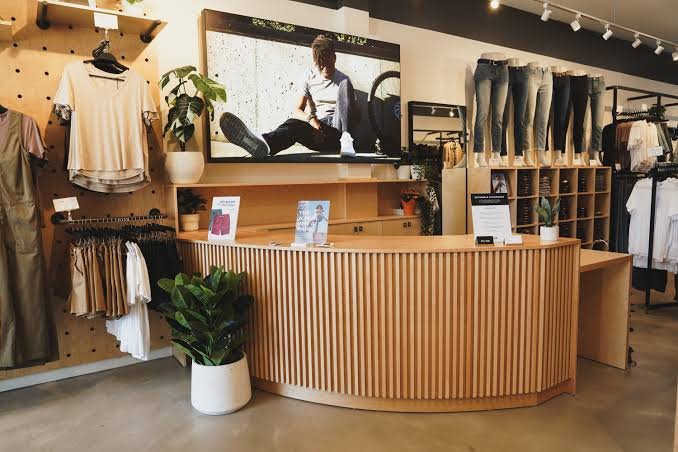
DUER’s jeans typically cost more than mass-market denim, and understanding why helps put that price into perspective rather than treating it as pure markup. Blended performance fabrics with added stretch fibers, reinforced gusset panels, and plant-based or recycled materials all cost more to source and construct than a standard cotton weave, and that cost is reflected directly in the retail price rather than being purely a brand premium. The more useful comparison isn’t performance denim versus the cheapest jeans available — it’s performance denim versus a similarly well-made pair of standard jeans from a comparable mid-range brand, at which point the price gap narrows considerably and the added stretch and moisture management become a more clear-cut value add rather than a luxury markup.
What to Actually Check Before Buying
Fit runs a little differently across stretch fabrics than it does with rigid denim, so it’s worth paying closer attention to sizing charts rather than assuming your usual jean size will translate directly — stretch fabric can fit snugger initially and relax slightly with wear, which is the opposite break-in pattern from traditional raw or rigid denim. It’s also worth deciding upfront what you actually need the pants to do: a slim, tailored cut suits an office-to-dinner routine, while a more relaxed or reinforced style makes more sense if hiking or cycling is a regular part of your week. Reading recent reviews on a specific cut or fabric weight before committing is worth the extra few minutes, since performance fabrics can vary meaningfully in warmth and stretch recovery between different product lines within the same brand.
Final Thoughts
DUER’s real value proposition isn’t styling — it’s a legitimate attempt to solve the actual physical limitations of traditional denim through blended fabrics, motion-gusset construction, and more sustainable materials, backed by a founder with decades of denim manufacturing experience behind the idea. If your daily routine genuinely moves between contexts — commuting, working, staying active — the added stretch and moisture management are solving a real problem and the price is easier to justify. If your life is mostly low-movement, a well-made pair of standard jeans will likely serve you just as well, and the performance features become a nice-to-have rather than a necessity.